Webinar archive

Clear filters

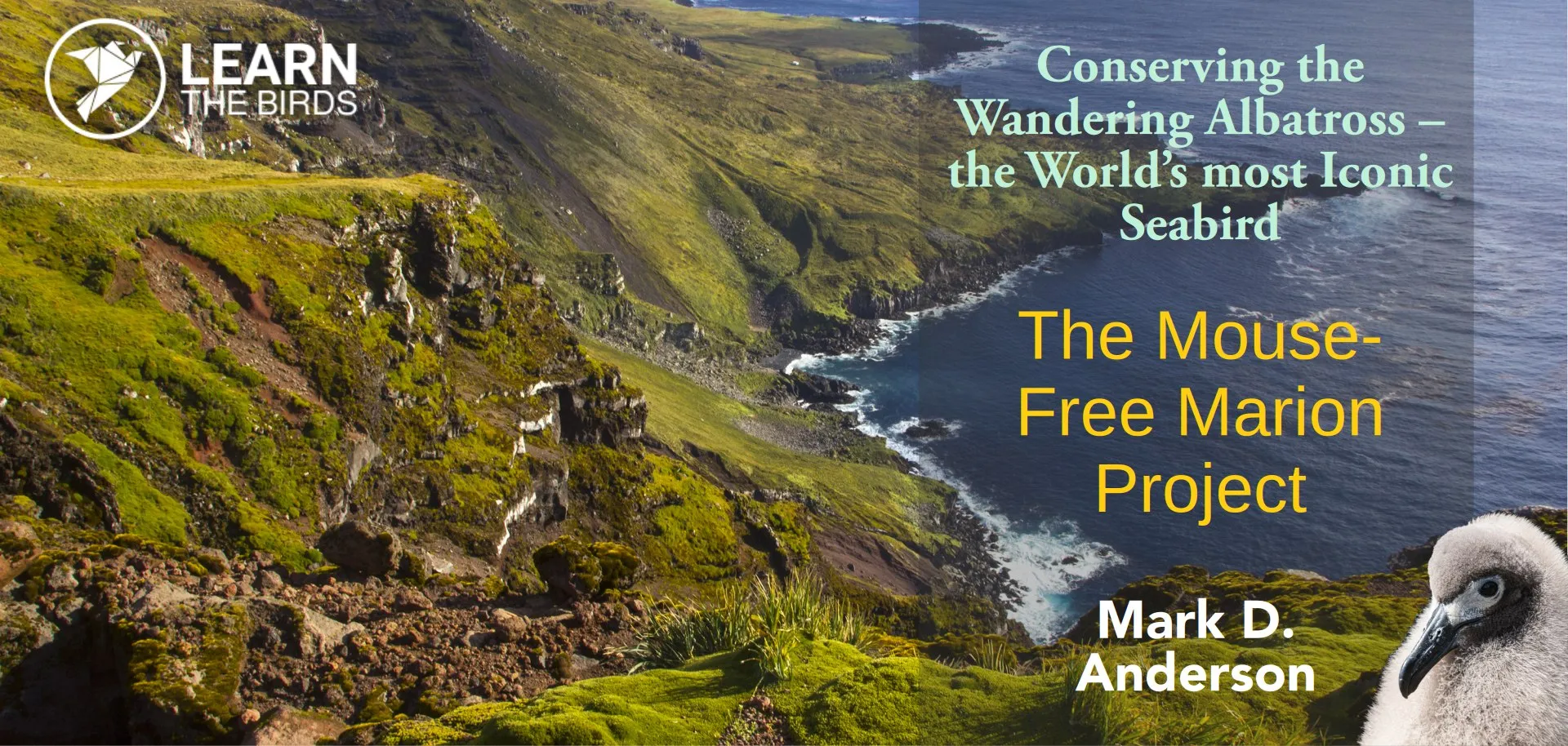
Mark D. Anderson

Mark D. AndersonMark D. Anderson has been the Chief Executive Officer of BirdLife South Africa since 2008, where he has been instrumental in transforming the organisation from near bankruptcy into a financially stable and internationally reputable NGO. His leadership has ensured the organisation's growth and resilience, even amidst challenging economic climates.

Under his 15-year tenure, BirdLife South Africa has achieved significant conservation successes:

  • Reduced albatross fatalities: Implemented mitigation measures that reduced albatross deaths in South Africa's trawl fishery from approximately 9,000 to fewer than 100 per year, earning international awards.

  • Birds & Renewable Energy Project: Secured funding from Investec to establish a project focused on minimizing the impact of wind and solar developments on birds and biodiversity.

  • African Penguin habitat protection: Nurtured donor relationships to secure funding for dedicated staff focusing on African Penguin research and conservation.

  • Vulture conservation: Initiated research into lead poisoning in vultures, identifying bullet fragments as a significant issue, and is now working with government, manufacturers, and hunting organisations to promote non-toxic ammunition.

  • Key Biodiversity Areas and Biodiversity Stewardship: Facilitated significant funding to protect approximately 200,000 hectares of priority grassland and estuary habitat.

  • Mouse-Free Marion Project: A tireless champion of this major initiative to eradicate mice on Marion Island, which are threatening 19 bird species. He oversees expert appointments, provides management guidance, and is pivotal in raising the projected R620 million budget for the 2028 implementation.

Prior to his CEO role, Mark was a Specialist Nature Conservation Scientist in the Northern Cape, joining in 1991 after completing his MSc (cum laude) on aardwolf eco-physiological adaptations. He is particularly renowned for his work in conserving the Lesser Flamingo population at Kamfers Dam, where his proposal for the construction of an island led to several breeding events: the first in South Africa. He also played a crucial role in advocating against a development that threatened the breeding site, ultimately saving it. His work also led to Eskom implementing measures to protect Ludwig's Bustard and Blue Crane from power line collisions.

Mark is a prolific writer of both popular and scientific articles and a sought-after speaker on environmental issues. He has held numerous prestigious positions, including as a Director on the Wildlife & Environment Society of South Africa’s Board, Chairman of the BirdLife Africa Regional Committee, and a BirdLife International Global Council Member.

He has a strong focus on fundraising and governance, transforming BirdLife South Africa's foundational structures. He initiated the BirdLife National Trust, which now holds an endowment of approximately R41 million, ensuring sustainable funding. He oversaw the purchase and renovation of BirdLife South Africa's head offices, established the highly successful African Birdlife magazine, and innovated fundraising through MSC cruise ship voyages, with the recent "Flock-to-Marion" cruise raising over R7 million.

Mark Anderson is recognized for his vision, commitment, and integrity, and his collaborative approach to conservation, extending support to other South African NGOs.
View speaker page

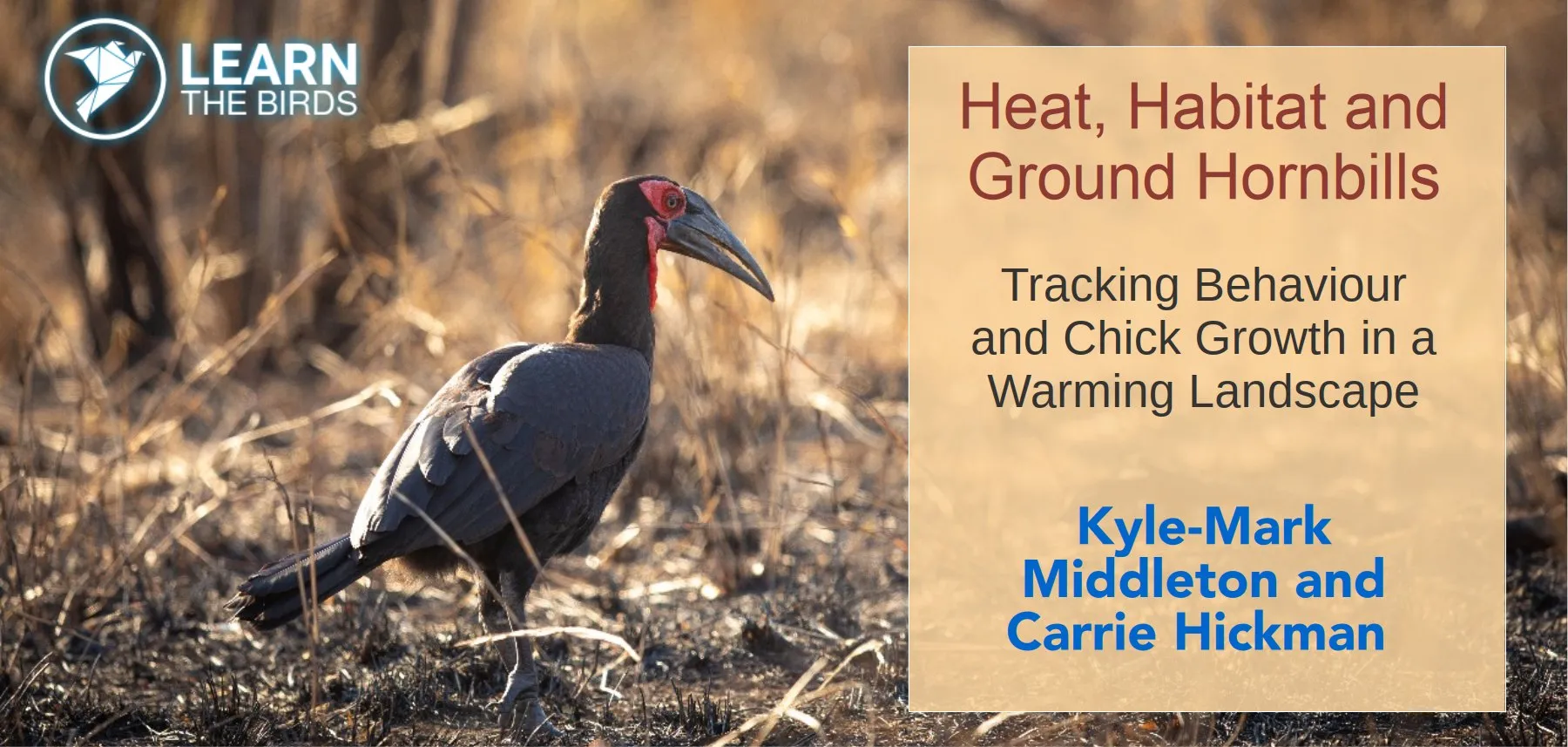
Ground-hornbill researchers

Kyle and CarrieDr Kyle-Mark Middleton and Carrie Hickman are researchers at the FitzPatrick Institute of African Ornithology, University of Cape Town – Kyle as a post-doctoral fellow and Carrie as a PhD candidate. Since 2016, they have co-managed the APNR Ground Hornbill Project, dedicating their work to uncovering the complex ecology and behaviour of this iconic species. Their research is aimed at not only advancing scientific understanding, but also directly informs conservation and management strategies to safeguard Southern Ground-Hornbills in the wild.
View speaker page

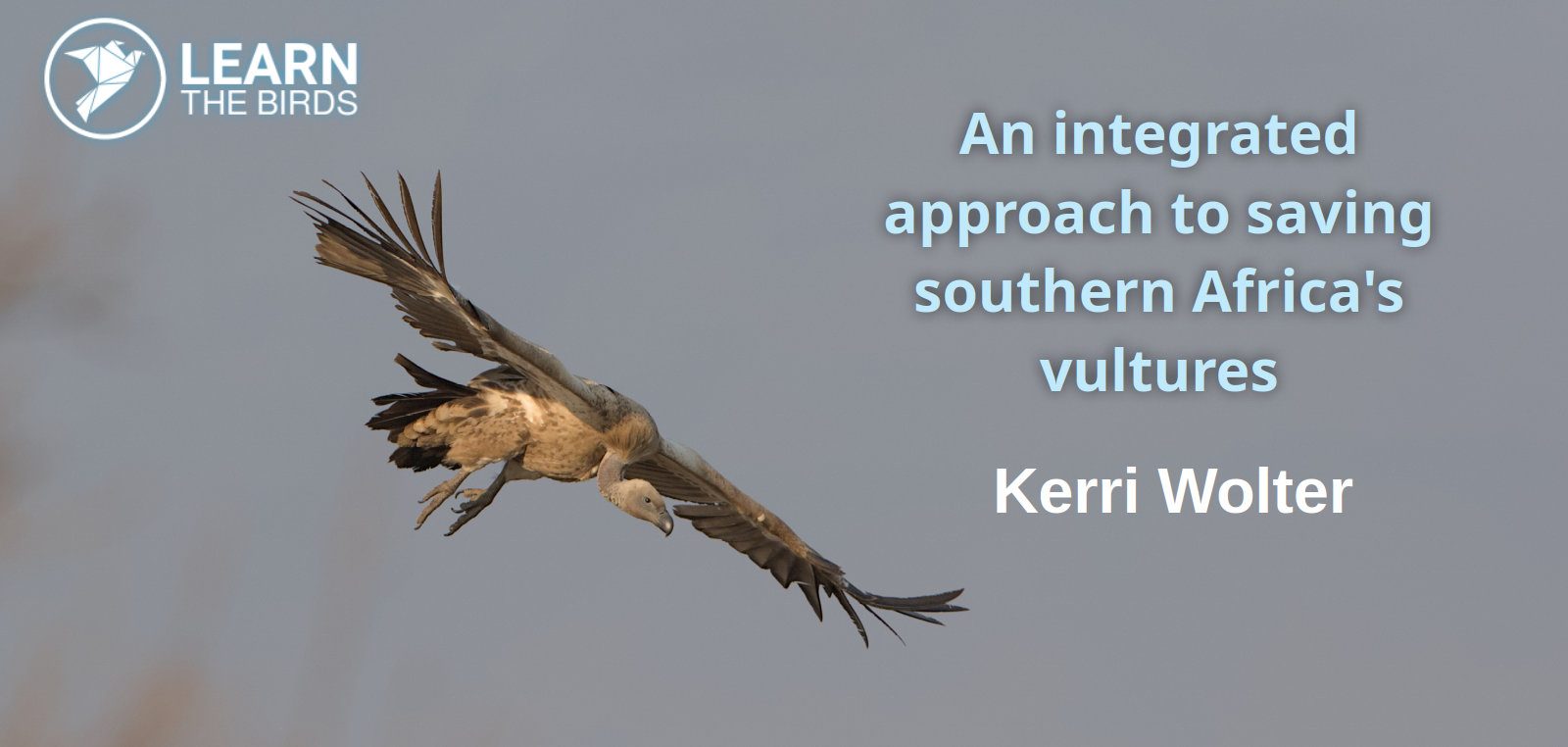
Kerri Wolter

After working in corporate for a few years, I was desperate to find my soul that had been lost in an air-conditioned office. My colleagues were too scared to brave the great outdoors or even enjoy the duck pond which our offices with immovable windows, overlooked. I applied for a position as manager of a vulture conservation group when the opportunity arose, not knowing anything about any bird species, and nothing could be further from my mind than vultures at that time. I thought this opportunity may just help get my foot into the door of conservation, and from there maneuver my way towards a more ‘desirable species’. After working in corporate for a few years, I was desperate to find my soul that had been lost in an air-conditioned office. My colleagues were too scared to brave the great outdoors or even enjoy the duck pond which our offices with immovable windows, overlooked. I applied for a position as manager of a vulture conservation group when the opportunity arose, not knowing anything about any bird species, and nothing could be further from my mind than vultures at that time. I thought this opportunity may just help get my foot into the door of conservation, and from there maneuver my way towards a more ‘desirable species’. To cut a long story short, after just a few short months in my new role, trying to save a species that the general public simply did not care about, I found myself looking down at a bundle of feathers and an ET look-a-like bird that resembled the prehistoric age of dinosaurs. My heart melted. I finally understood the magnificence and fragility of the species.  My task, at that exact moment, was as clear as daylight …. It was my calling. I needed to make people understand their beauty, and their importance in our world of greed and destruction; I was to become what I have now been nicknamed – “The Vulture Whisperer”.
View speaker page

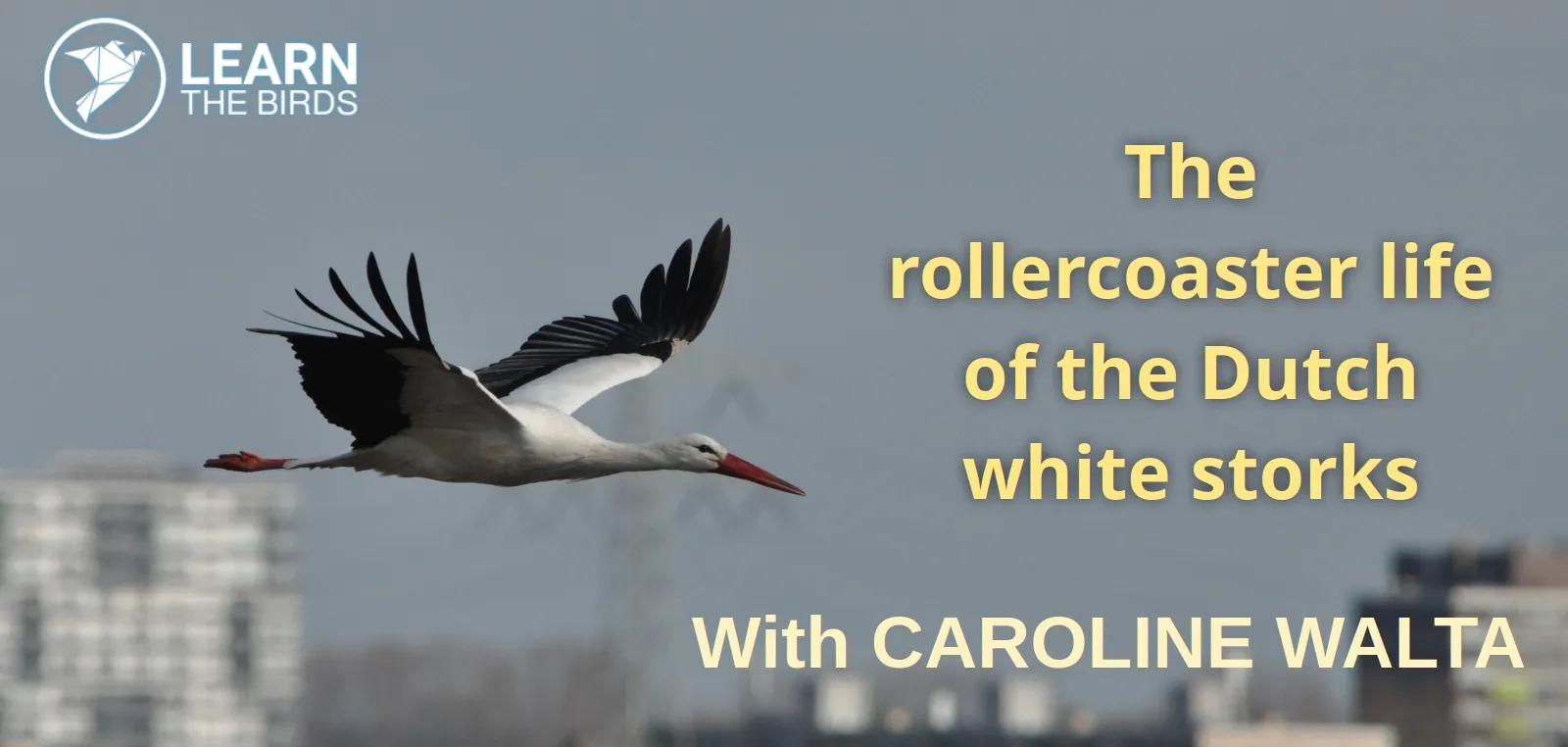
Caroline Walta

Caroline (1971) was already looking at birds from her cradle. As a child, she wandered through the neighbourhoods of The Hague with her binoculars, the early days of ‘urban birding’. Now she regularly spreads her wings to help with bird conservation projects all over the world. She nursed penguins in South Africa, trained amazon parrots on Bonaire and guided overland trips from The Netherlands to The Gambia, following the migrating birds. Meanwhile, getting a little addicted to ring reading: wherever she goes, she is scanning bird legs for bands. But she always returns to her nest, to ‘the one’ that brought her to this planet: the white stork. This species was almost extinct and mum had to take little Caroline to the zoo, to finally see this rare bird. Back then, she could never have dreamt that she would literally be standing at the cradle of baby storks. And she would be monitoring a growing stork population in her hometown. It is just the beginning of many feathered adventures... Caroline works as volunteer for the Association for Bird Protection of The Hague, Sovon Dutch Centre for Field Ornithology, Stork Research & Knowhow and the World of Birds Foundation. With her enthusiastic excursions, she helps people to discover that the world is one big bird paradise.
View speaker page

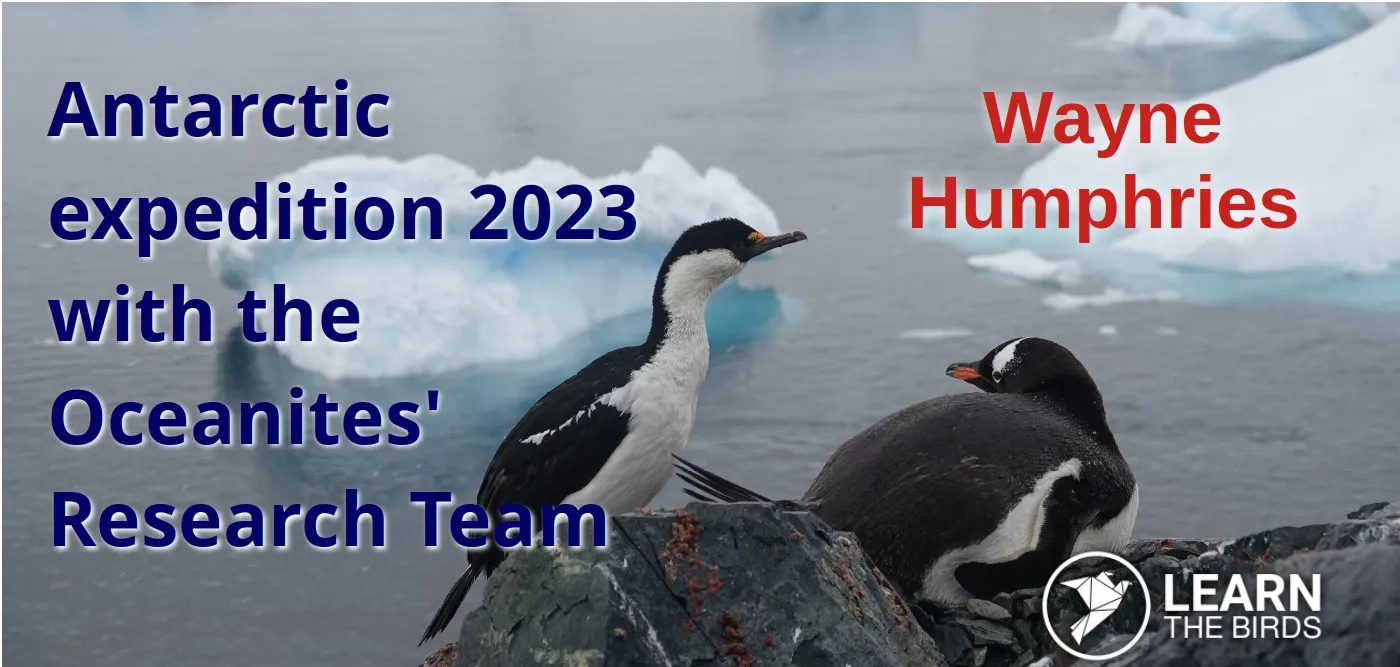
Wayne Humphries

Wayne is of the firm belief that you are never too old to make a contribution to science and conservation nor does one often need to be a formal scientist to participate. Born in a small rural community in Newfoundland, instilled in him the passion for nature. As an avid naturalist, birder, kayaker, and wilderness hiker for over 40 years, Wayne has adapted to find ways to participate in conservation initiatives in diverse ways. Since retiring from a very successful career as Chief Operating Officer for a large Toronto based real estate development company, he decided to return to his passion for nature and returned to university to complete a Masters in Environmental Studies at York University in Toronto, Canada. His focus on conservation policy related to the environmental impacts on seabirds off Newfoundland, Canada has resulted in him being asked to undertake speaking engagements on conservation policy to a number of key organizations in Canada such as Memorial University of Newfoundland and Labrador, Birds Canada and the Toronto Ornithological Club, among others. Wayne continued his passion for nature by volunteering with his son and daughter-in-law to pilot test the use of advanced drones for penguin population research in Antarctica. As a part of the 2022-2023 Oceanites science team studying penguin populations on the Antarctic Peninsula, he was embedded into the Viking Octantis cruise ship Expedition Team. Science teams often use cruise ships to access the Antarctic and in return provide services-in-kind such as onboard lecturing, naturalists, expedition guides, etc. Wayne has gained added insights into research and the challenges faced in accessing these remote areas. His additional hobbies have included the martial arts, where he holds blackbelts in three differing martial arts styles, winter camping, ocean kayaking, and stained glass involving nature-based themes.
View speaker page

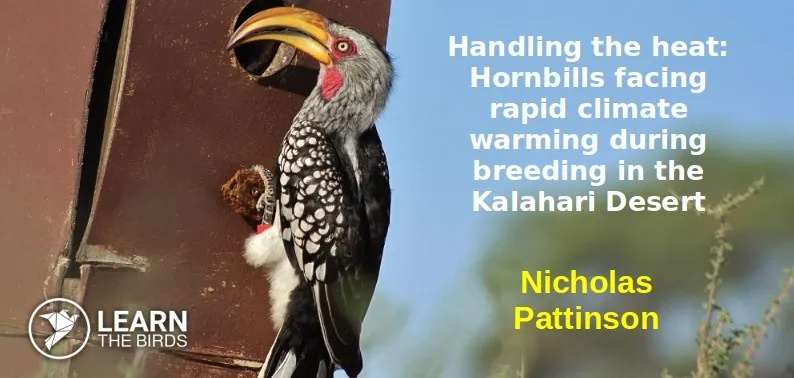
Nicholas B. Pattinson

Nick has been a member of the Hot Birds Research Project for 9 years, studying temperature-related effects on the physiology and behaviour of birds. Currently, he is in the process of completing a PhD in Biological Sciences at the FitzPatrick Institute of African Ornithology. He is also a full time research scientist at the environmental consultancy, GroundTruth. Generally, Nick is enthusiastic about science, nature, birding, and conservation.  You can find Nick on ResearechGate at https://www.researchgate.net/profile/Nicholas_Pattinson
View speaker page

Karen Gallardo Cruz

When a marine biology class inspired me to pursue the field of ecology, I honestly did not know what that meant for my career, but I was fascinated by the intricate interactions between organisms and their environment. Since then, I've found my career path in scientific research and have been fortunate enough to conduct work in California, French Polynesia, and Hawaii. I've remained focused on a central question: how are organisms influenced by changes in their environment? More specifically, how do human-caused changes influence animal behavior? The goal of my research is to help conserve our natural ecosystems, especially my favorite part of them--birds! I am proud to say that my research has been used to create an Air Tour Management Plan for Hawaii Volcanoes National Park, which will restrict the number of helicopter overflights over the home of many of Hawaii's native bird species. I'm excited to continue contributing to bird conservation through my future PhD research, in which I hope to explore how noise affects ecological interactions in agricultural landscapes, with potential implications for crop pollination and pest management.
View speaker page

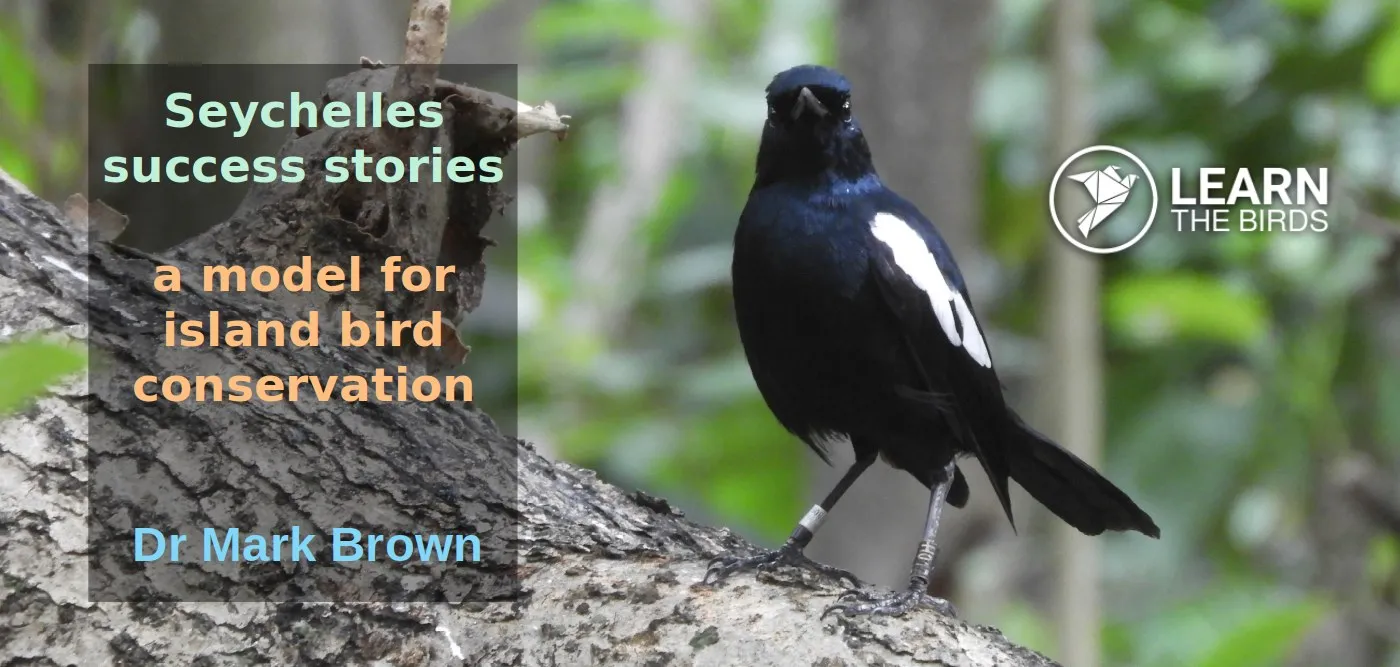
Dr Mark Brown

Dr. Mark Brown is an ornithologist and conservationist based in Plettenberg Bay, South Africa. With over 25 years of experience, he has conducted extensive research on avian physiology, pollination ecology, and the conservation of nectar-feeding birds. He has published over 100 scientific papers and is a recognized expert in the field. Mark has supervised over 40 postgraduate students and mentored dozens of South African and international students in the fields of ecology, conservation and marine biology. He is passionate about finding solutions to local conservation issues in the greater Plett region, and runs a conservation NPO Conserve Eden and a conservation travel company Discover Eden. Dr. Brown is the lead author of the recently published Roberts Sunbirds and Sugarbirds of Southern Africa, a comprehensive book on these birds, featuring scientific insights and stunning artwork. His work focuses on understanding bird ecology, particularly sunbirds and sugarbirds, and their roles as pollinators.
View speaker page

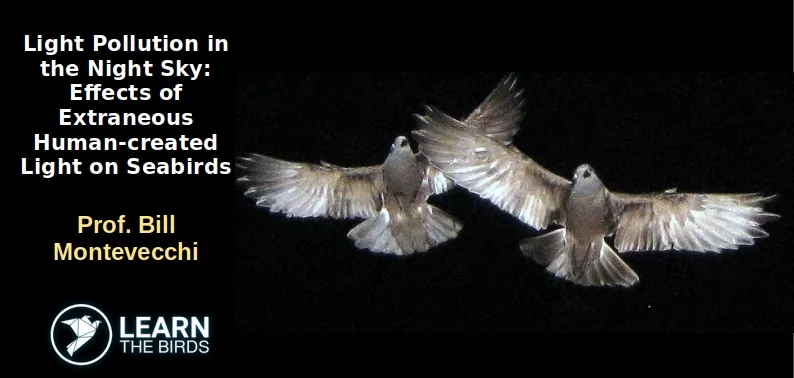
Bill Montevecchi

Bill in the field Bill Montevecchi is a John Lewis Paton Distinguished University Professor [Psychology, Biology, Ocean Sciences] at Memorial University of Newfoundland and Labrador. He and his students study avian responses to environmental change. Conservation is a priority with research projects aimed at bird interactions with marine and terrestrial energy  developments, light pollution, fisheries, climate change and recently the avian H5N1 influenza. He devotes considerable time communicating evidenced-based scientific information via media and community outreach presentations. His research is the subject of a Canadian Broadcasting Corporation Radio Ideas Program scheduled to air on 28 March.
View speaker page

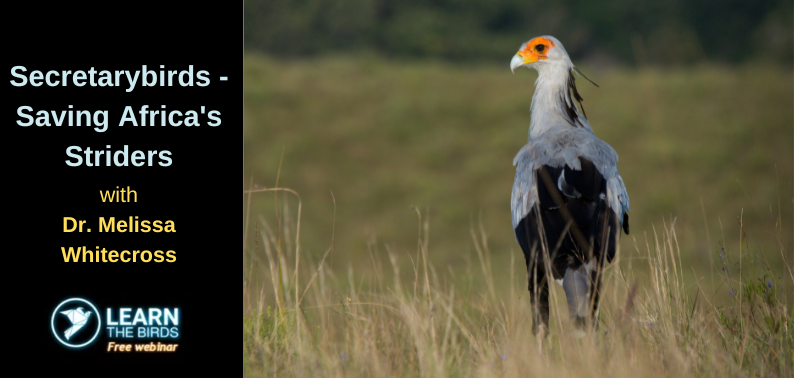
Dr. Melissa Whitecross

Dr Melissa Whitecross is BirdLife South Africa’s Landscape Conservation Programme Manager and is responsible for coordinating this environmental NGO’s threatened and endemic terrestrial sites and species conservation work. Melissa previously worked as the Raptor & Large Terrestrial Bird Project Manager where she coordinated projects on species such as the Endangered Secretarybird. Melissa holds a PhD in environmental science from Wits University. Melissa is the founder and host of BirdLife South Africa's Conservation Conversations weekly webinar series. Melissa has been awarded the Leslie Brown Memorial Grant from the Raptor Research Foundation, an IUCN SOS Rapid Response Grant for Blue Swallow Conservation and a Nedbank Green Trust Grant for ‘Recognising, assessing and reporting on OECMs in the Western Cape’. Melissa spends much of her free time travelling around South Africa exploring and photographing the country’s natural biodiversity (Instagram: @melissaw27). Melissa is also a keen birder having seen 768 different bird species within southern Africa so far.
View speaker page

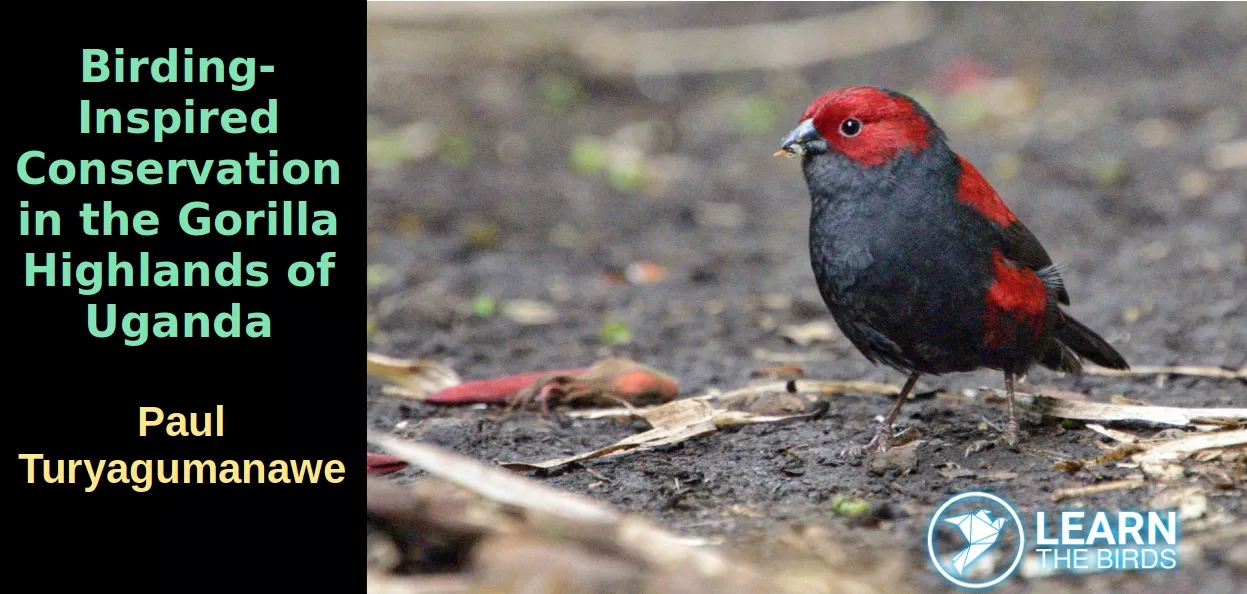
Paul Turyagumanawe

Paul Turyagumanawe is a Lawyer by profession and a Tour Guide by Occupation. He specializes in the Range-Restricted Highland birds of the Albertine Rift. For six years, he has been guiding tours in Uganda, Rwanda & Eastern Congo, and currently runs Safari Support Services Limited. He's also a Certified Tour Guide instructor with the Directorate of Industrial Training (DIT), and a pioneer facilitator of the Ukarimu Curriculum . He believes that every guide needs to know the birds, especially if you guide tourists in a country such as Uganda. During the COVID-19 break, Paul started working on a book on Bird Behaviour. In actual sense, the book was working on him, turning him into a passionate naturalist. He soon discovered that birding is the most underrated tool for turning men & women, and especially young people, into conservationists. Together with a few friends, they have started the Uganda Avian Conservation Society.
View speaker page

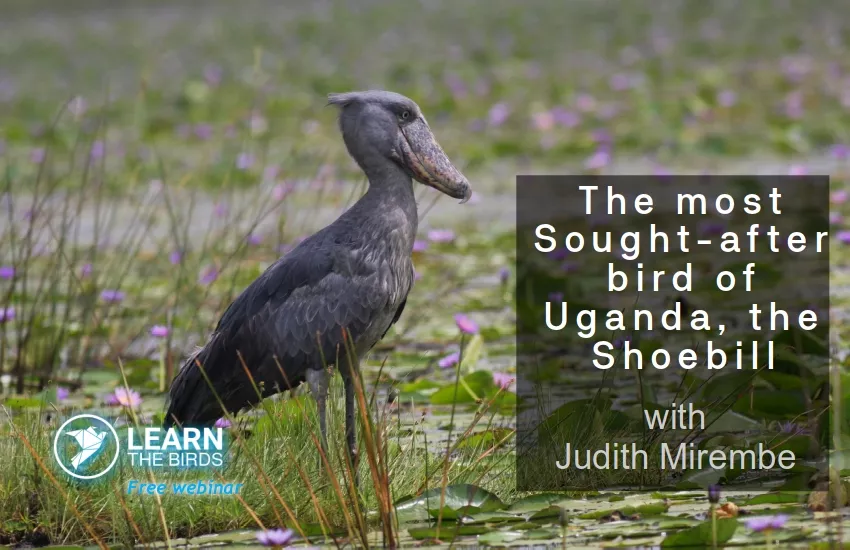
Judith Mirembe

Judith with shoebill Judith is a well-trained bird guide and the chairperson of the Uganda Women Birders, an initiative to increase the number of women in nature guiding, specifically bird watching - a male-dominated profession. She has been bird watching since her early ages and started leading bird watching tours in 2017 and is among the few women leading these tours in Uganda. She holds an Msc in Environment and Natural Resources from Makerere University. Judith is passionate about research, conservation and the general environment, an area she has worked in since 2016. She developed the passion in research as she worked as a Bird Population Monitoring Coordinator (2016-2018) with Nature Uganda, a Birdlife partner in Uganda. She is an Alumnus of the Tropical Biology Association (TBA) and the EDGE Fellowship 2017-2019 (Evolutionary Distinct and Globally Endangered Species) specifically doing research on the Shoebill. Away from bird watching she is a hockey player and loves family.
View speaker page