Webinar archive

Clear filters

Al Uy

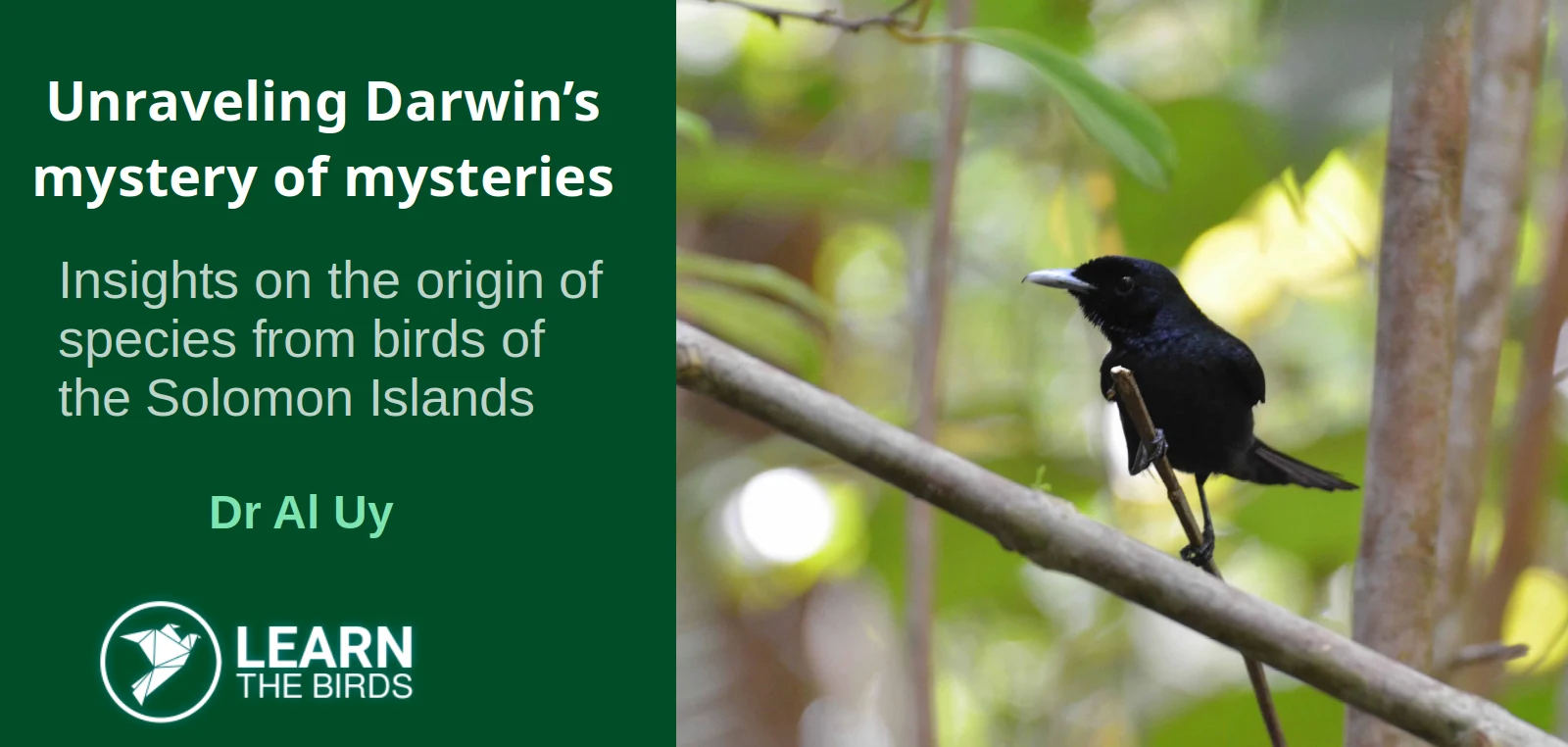
Al Uy is Professor of Biology at the University of Rochester (NY, USA). Al was born and raised in the Philippines, moving to the US in his early teens. He received his undergraduate degree from the University of California at Berkeley, and his doctorate degree from the University of Maryland at College Park. Before joining the University of Rochester, Al held faculty positions at San Francisco State University, Syracuse University and the University of Miami. For over 25 years, Al and his team, the “Trop Bio Lab”, have explored the ecology and evolution of avian biological diversity, working in Australia, New Guinea and the Solomon Islands, as well as Ecuador, Panama and Costa Rica. His work in the Solomon Islands is featured in “Islands of Creation”, a documentary produced by the Smithsonian Channel and now available to stream through Paramount+.
View speaker page

Laura Kammermeier

Laura is the Marketing Manager for Birds of the World at Cornell Lab of Ornithology. She is a birder keenly devoted to birds and nature conservation and has a broad background in citizen science, marketing, and communications in the nature and travel industry. She led two large citizen science projects, including Project FeederWatch in the early 2000s. After that, she built a freelance marketing business that served a broad array of conservation nonprofits and travel companies. She began travel writing in 2008 and had the pleasure of watching birds and meeting birders in a dozen countries - she published in magazines and on her own birding travel website that described the world’s best birding travel hotspots. She returned ‘home’ to the Cornell Lab of Ornithology in 2018 to again serve bird conservation by bringing Birds of the World to a growing network of scientists, birders, nonprofits, and academic libraries around the world. Laura focuses most of her free time at home watching birds and “rewilding” her land back to nature.
View speaker page

Dr Derek Engelbrecht

Derek has always been passionate about the natural world, and this was nurtured by his parents, who always bought him animal books. After matriculating, he studied towards a BSc degree in Zoology and Botany at the then Rand Afrikaans University, followed by a BSc Honours in Zoology and an MSc in Zoology (Cum Laude). This was followed by a PhD in the conservation genetics of minnows in mountain streams.

Derek moved to Polokwane in 1992 when he assumed a position as a tutor in the Department of Physiology. In 2007 he switched his allegiance and joined the Department of Zoology at the University of Limpopo as an associate professor.

His research interests are varied, and he has supervised students in topics ranging from plant ecology to anatomy, but his main research focus and interest are birds, specifically larks. Beyond larks, he has published papers on a variety of other birds. He prides himself that he has the somewhat unique distinction of having published peer-reviewed scientific papers on all five vertebrate taxa: fish, frogs, reptiles, birds and mammals. To date, Derek has published 168 scientific and semi-scientific papers on various topics.

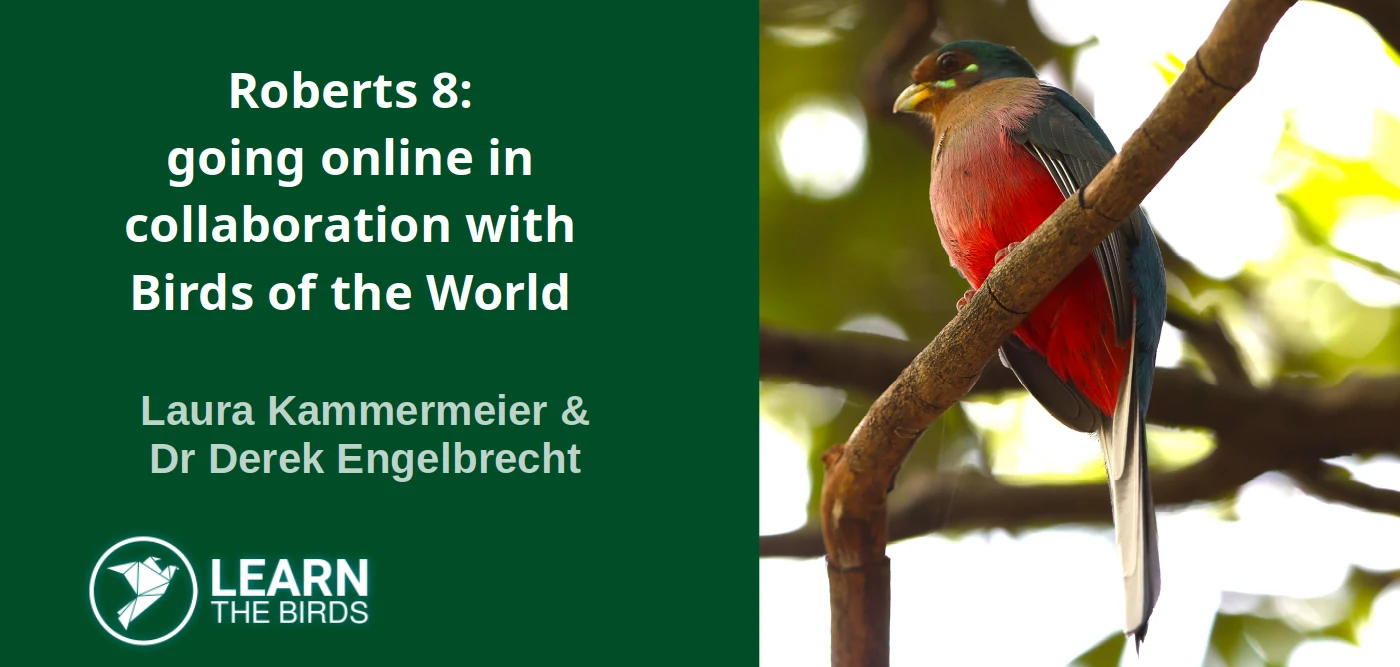
He serves on several national and international working groups for threatened taxa, such as the IUCN Hornbill Specialist Group, Southern Ground Hornbill Advisory Panel, Cape Parrot Action Group and Botha’s Lark Working Group. He is a registered A-class ringer with SAFRING and has ringed around 10 000 birds at the end of 2022. He is also the chairperson of the Limpopo Regional Bird Atlas committee and a longstanding member of Birdlife Polokwane where he serves on the club’s management committee. Derek is also on the editorial board of three scientific journals, Ostrich, Afrotropical Bird Biology, and Hornbill Natural History and Conservation, and is the co-editor of Birdlife Polokwane’s birding magazine, The Lark. He is the Editor-in-Chief of the 8th edition of Roberts Birds of Southern Africa, currently under revision in partnership with the Cornell Lab of Ornithology. Derek is a member of the E-birders, the winning team of the 2022 South African Birding Big Day, and also the current BBD record holders with 236 species recorded in 24 hours. In 2018, Derek was honoured by Birdlife South Africa when he received the Eagle-Owl Award for an Outstanding Contribution to the Conservation of Birds and Their Habitats.
View speaker page

Adam Scott Kennedy

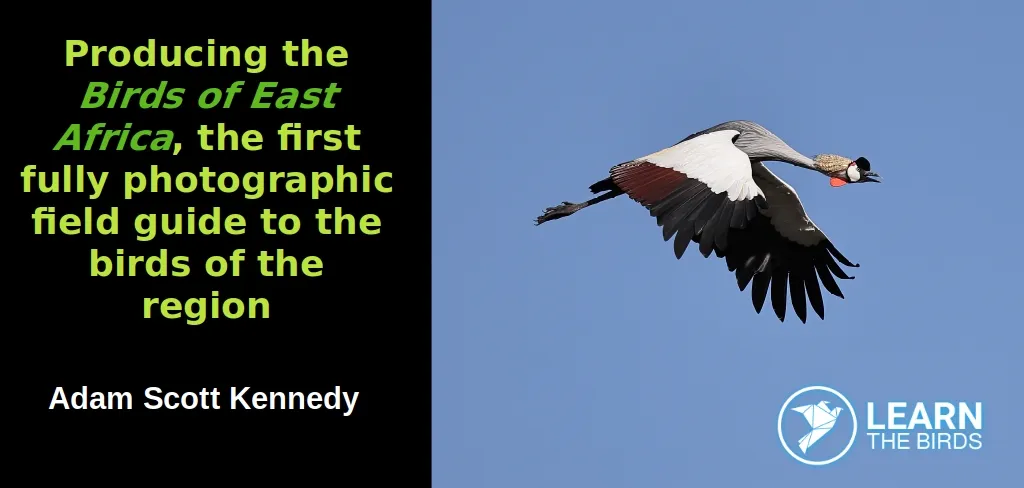
Birding since the age of four, Adam travelled extensively across the world from his family home in the UK in search of birds, animals, culture and amazing places. He took his first independent overseas trip at the age of 17 and hasn’t stopped since. He has led dedicated birding trips to New Zealand, Madagascar, Ecuador and the Galapagos, among many others. Having seen over a third of the world’s bird species, he now focuses his efforts in East Africa where he now resides. His favourite birds are trogons. He has produced five photographic field guides to the birds and animals of the Masai Mara, Serengeti, and Kenya’s Rift Valley. He currently uses a Canon R5 with Canon 100-500mm lens.
View speaker page

Nicholas B. Pattinson

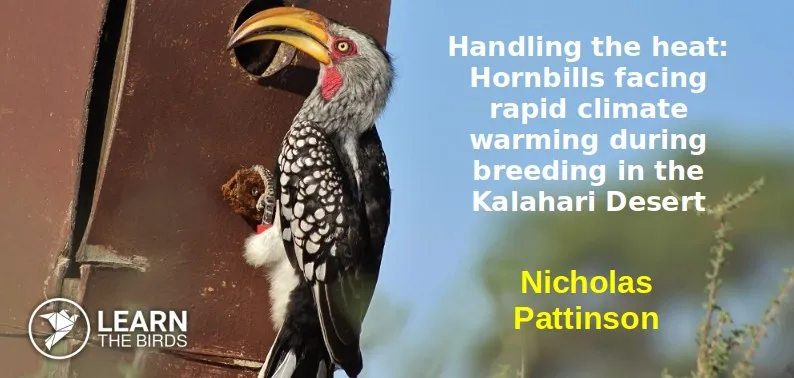
Nick has been a member of the Hot Birds Research Project for 9 years, studying temperature-related effects on the physiology and behaviour of birds. Currently, he is in the process of completing a PhD in Biological Sciences at the FitzPatrick Institute of African Ornithology. He is also a full time research scientist at the environmental consultancy, GroundTruth. Generally, Nick is enthusiastic about science, nature, birding, and conservation.  You can find Nick on ResearechGate at https://www.researchgate.net/profile/Nicholas_Pattinson
View speaker page

Karen Gallardo Cruz

When a marine biology class inspired me to pursue the field of ecology, I honestly did not know what that meant for my career, but I was fascinated by the intricate interactions between organisms and their environment. Since then, I've found my career path in scientific research and have been fortunate enough to conduct work in California, French Polynesia, and Hawaii. I've remained focused on a central question: how are organisms influenced by changes in their environment? More specifically, how do human-caused changes influence animal behavior? The goal of my research is to help conserve our natural ecosystems, especially my favorite part of them--birds! I am proud to say that my research has been used to create an Air Tour Management Plan for Hawaii Volcanoes National Park, which will restrict the number of helicopter overflights over the home of many of Hawaii's native bird species. I'm excited to continue contributing to bird conservation through my future PhD research, in which I hope to explore how noise affects ecological interactions in agricultural landscapes, with potential implications for crop pollination and pest management.
View speaker page

Faansie Peacock

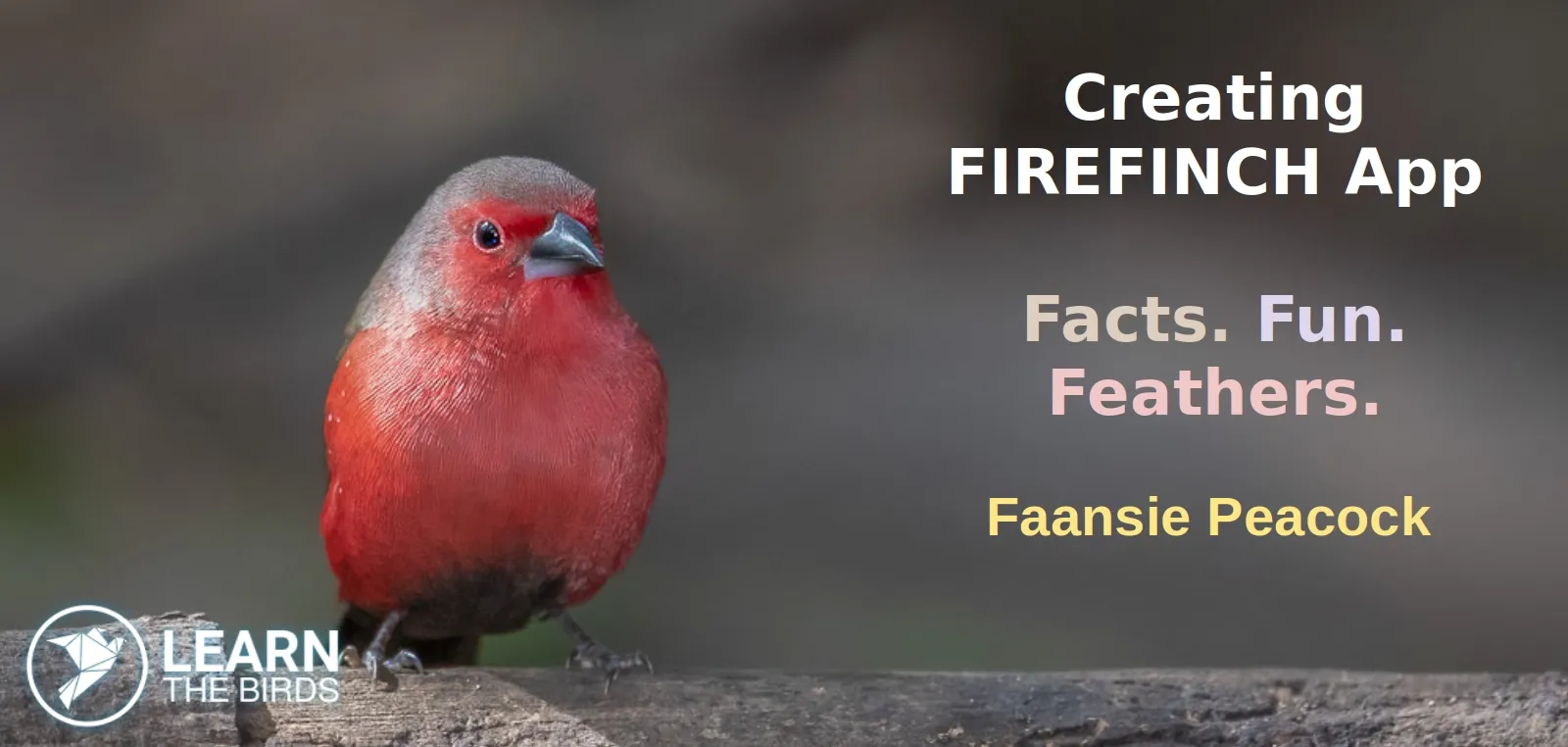
Fansie Peacock holding one of his paintings. lives and breathes birds, as his name suggests. Faansie started birding at the age of five and has been trying to quit for 35 years. It doesn’t look like that’s going to happen anytime soon, so now he makes a living as what he calls ‘a professional birder’. He has authored and illustrated a number of books on southern African birds, including the acclaimed Chamberlain’s Waders and Chamberlain’s LBJs - specialist books on the identification and biology of these challenging families. Inspired by his sons’ wonder at the world around them, he produced Faansie’s Bird Book - A fully fledged field guide for kids: a guide to 722 species, aimed at introducing young minds to the wonders of the avifaunal world. He served as editor for the Eskom Red Data Book of Birds of South Africa, Lesotho and Swaziland. In addition, he has penned numerous magazine articles (including a long-standing column in Weg/Go! magazine) as well as scientific papers. Peacock contributed illustrations of seabirds, nightjars and the Ground Woodpecker cover art for the latest edition of Sasol Birds of Southern Africa. He is also the illustrator for the upcoming Larks of the World (Bloomsbury) and recently tried his hand at mammal illustrations - bats and lemurs - for The Handbook of the Mammals of the World (Lynx Edicions). He was previously employed as Curator of Birds at the Ditsong National Museum of Natural History, serves on the South African National Rarities Commitee, was part of the first team to see 300 species in 24 hours in SA, and is a recipient of a BirdLife South Africa Owl Award. He loves telling stories about birds and has spoken to thousands of people on more than thirty topics, amongst which are ‘The Blind Birder’, ‘The Kinky Sex Life of Birds’, live art demonstrations and even bird-related stand-up comedy. Faansie has birded in Madagascar, Thailand, Spain, Australia, Israel, Brazil, Malawi and lots of other prime birding locations but his favourite spot is West Coast National Park. In fact, he lives within walking distance of the park in the town of Langebaan. Faansie and his wife Ronél, and their two sons (both of whom are named after birds) share their garden with rain frogs, tortoises, a fox, and, of course, plenty of awesome birds! He knows virtually nothing about sports.
View speaker page

Dr Mark Brown

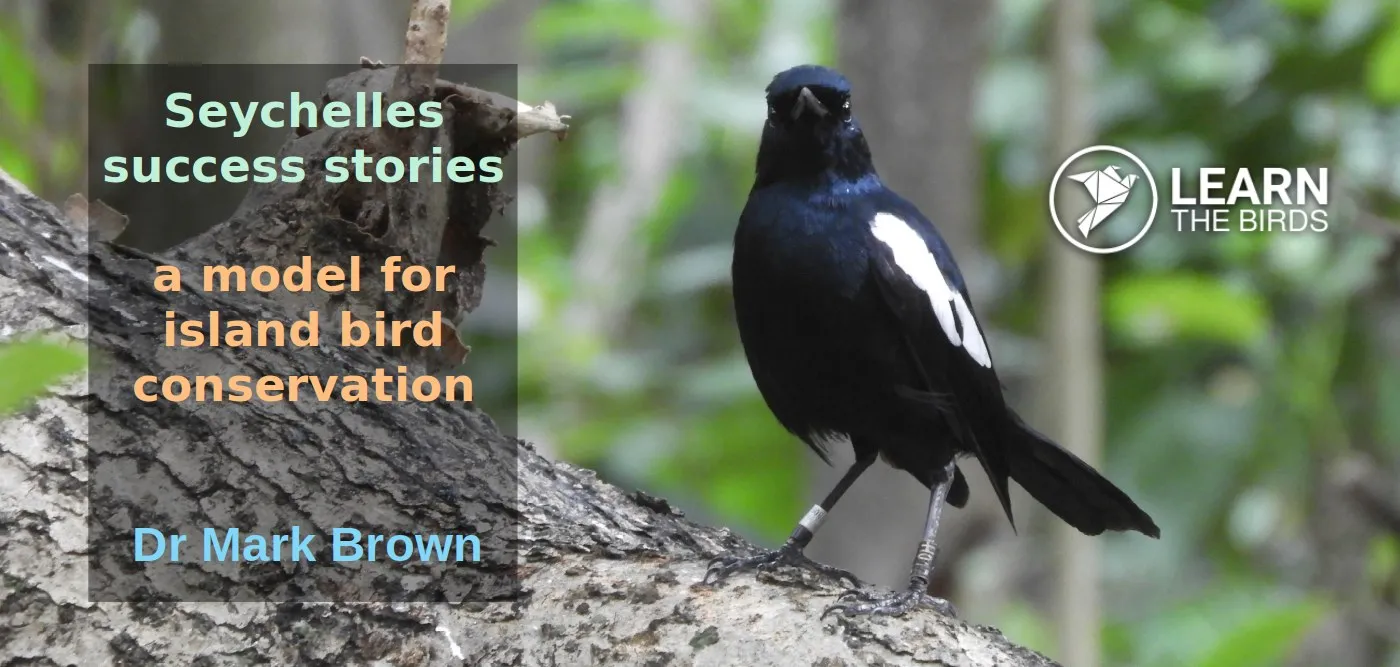
Dr. Mark Brown is an ornithologist and conservationist based in Plettenberg Bay, South Africa. With over 25 years of experience, he has conducted extensive research on avian physiology, pollination ecology, and the conservation of nectar-feeding birds. He has published over 100 scientific papers and is a recognized expert in the field. Mark has supervised over 40 postgraduate students and mentored dozens of South African and international students in the fields of ecology, conservation and marine biology. He is passionate about finding solutions to local conservation issues in the greater Plett region, and runs a conservation NPO Conserve Eden and a conservation travel company Discover Eden. Dr. Brown is the lead author of the recently published Roberts Sunbirds and Sugarbirds of Southern Africa, a comprehensive book on these birds, featuring scientific insights and stunning artwork. His work focuses on understanding bird ecology, particularly sunbirds and sugarbirds, and their roles as pollinators.
View speaker page

Bill Montevecchi

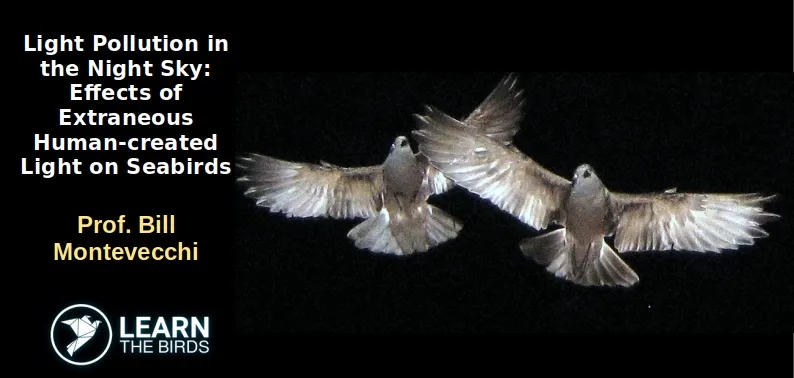
Bill in the field Bill Montevecchi is a John Lewis Paton Distinguished University Professor [Psychology, Biology, Ocean Sciences] at Memorial University of Newfoundland and Labrador. He and his students study avian responses to environmental change. Conservation is a priority with research projects aimed at bird interactions with marine and terrestrial energy  developments, light pollution, fisheries, climate change and recently the avian H5N1 influenza. He devotes considerable time communicating evidenced-based scientific information via media and community outreach presentations. His research is the subject of a Canadian Broadcasting Corporation Radio Ideas Program scheduled to air on 28 March.
View speaker page

Dr Krista Oswald

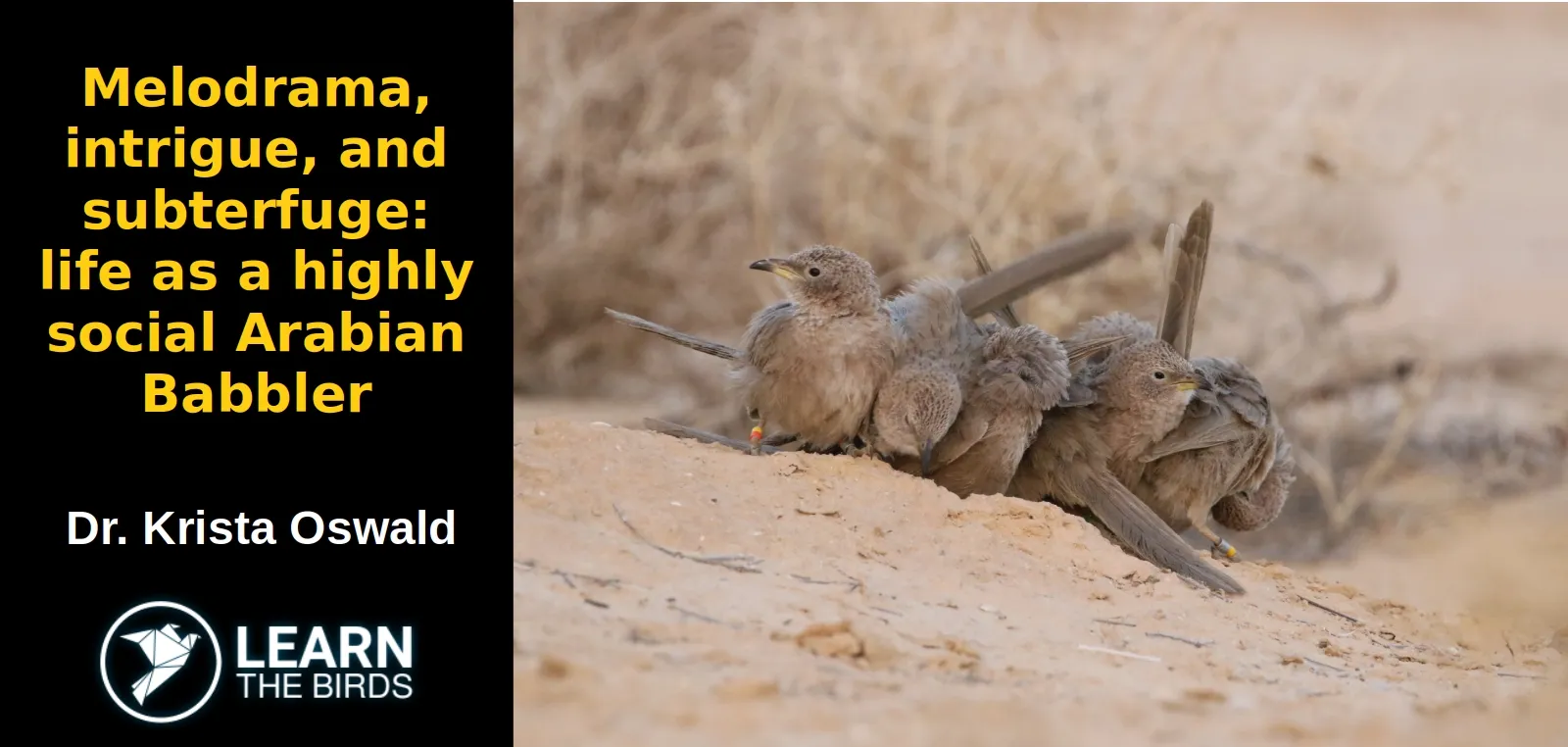
Despite noKrista Oswaldt necessarily being a birder (I didn’t even own proper binoculars), I completed an Honours BSc studying Tree Swallows through Dalhousie University in Canada, and an internship with the Smithsonian Migratory Bird Center. Life was leading me down the ornithological path, and I wasn’t exactly upset about the idea. In January 2015 my flight from Canada to South Africa landed in Port Elizabeth, where I would live for the next 5 years. Except, I actually spent more than two of those years in the Cape Fold Mountains and their fynbos biome, following and learning about Cape Rockjumpers. My research resulted in an MSc (Nelson Mandela University) and a PhD (Rhodes University), but most importantly an infatuation with my study species that I doubt will ever truly disappear. I am now studying birds in the Negev desert of Israel, and doing my best to find an excuse/time/money to go back to the Fynbos and see the worlds best birds.
View speaker page

Tania Ireton

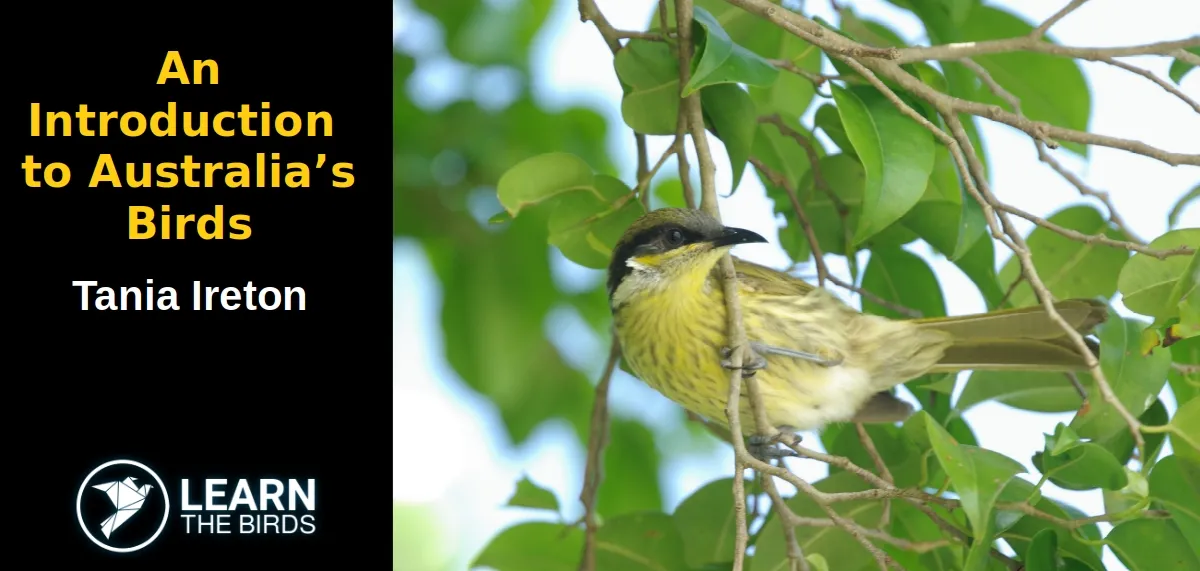
Tania IretonTania has been passionately interested in birds for half a century and used her day job in computing to fund her birding trips. These trips have taken her to New Zealand, Papua New Guinea, Sumatra, Hong Kong, South Korea and New Caledonia, although her primary interest has always been Australia and its territories. She has been president of BirdLife Bayside (a branch of BirdLife Australia) since it started in 1996, and has led many of their outings, as well as giving talks to a range of conservation and natural history groups. She has a Graduate Certificate in Ornithology from Charles Sturt University and is also a member of the Victorian Ornithological Records Appraisal Committee which assesses and adjudicates on submitted claims of rare birds in the Victoria.

View speaker page

Chintan Gohel

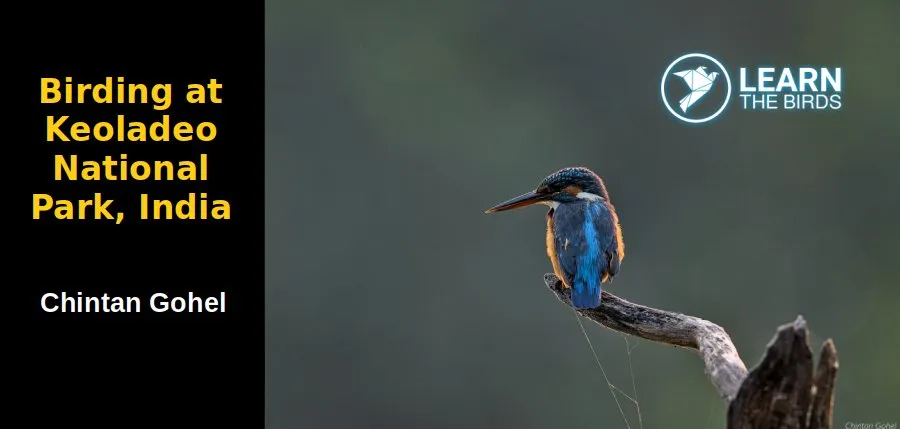
Chintan Gohel is an Electrical Engineer, working full time in a factory in Nairobi, Kenya. In his free time, he shows a passion for photography in different genres such as wildlife, birds, astro, landscapes, long exposures and more. He is the founder of a local travel group called Matembezi Travelers Club with over 1100 members. A year ago he also founded a photographers group for Nature Photographers to learn from each other, and they are already 250 strong and growing every month. He currently uses a Nikon Z50 with a Tamron 150-600 G2 lens.
View speaker page