
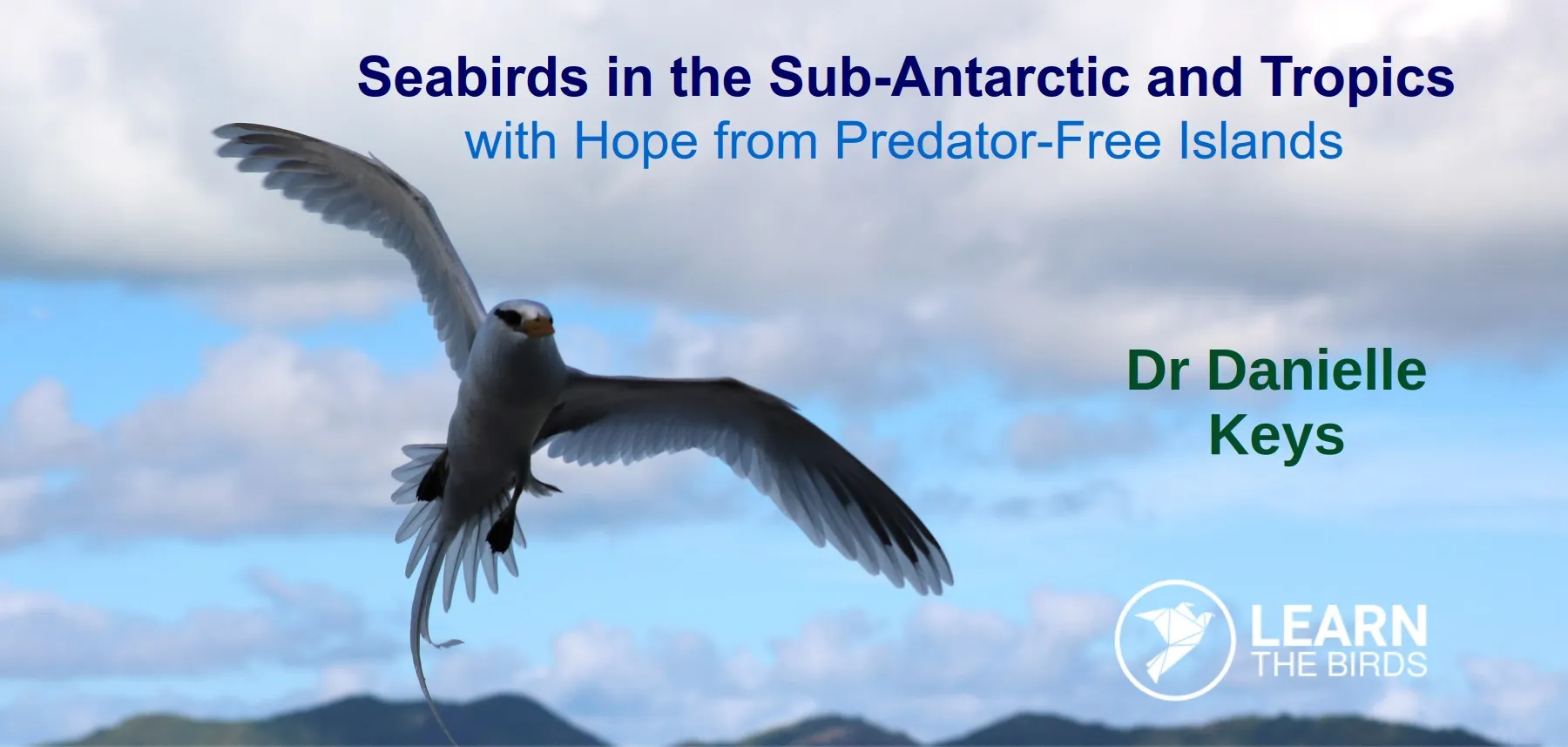
Seabirds from the Sub-Antarctic to the Tropics, with Hope from Predator-Free Islands
In this presentation, I explore seabirds across tropical, temperate, and sub-Antarctic environments, drawing on the field research I have been involved in across these regions. From working with one of the greatest ocean explorers, the Wandering Albatross, to studying the far smaller and more elusive storm petrels, I reflect on what seabirds reveal about the health of our oceans and the systems that sustain marine life.
Seabirds are powerful indicators of environmental change. By tracking where they go, how they feed, and how their populations change over time, I aim to understand shifts in ocean productivity, climate variability, and broader marine ecosystems. Long-term monitoring and the tracing of marine top predators are especially important because many of these species live for decades, and their life histories reflect gradual but significant changes happening at sea. Studying seabirds across different oceans helps researchers compare pressures, resilience, and adaptation across environments.
Each region presents unique challenges. In tropical systems, seabirds often face habitat loss, human disturbance, and invasive species. In temperate regions, fisheries interactions and pollution are key threats. In the sub-Antarctic, climate-driven shifts in prey availability and extreme environmental variability shape survival and breeding success. Yet there is also hope. Predator-free islands and focused conservation efforts have shown remarkable success, allowing seabird populations to recover and ecosystems to stabilise.
Through this journey across oceans and environments, I hope to highlight how seabirds connect land and sea, science and exploration, and ultimately people to the health of the marine world.
Additional Details
Webinar link - https://meet.google.com/bkd-zfhm-dke
Meeting ID - NA
Passcode - NA
Event platform - Google meet
Interaction
Please ask any questions in the chat. We will get to them after the presentation.
Organizer

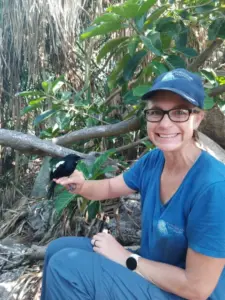
I am a seabird researcher and conservationist with a PhD in Zoology, and my work focuses on the ecology, movement, and demography of marine top predators, particularly seabirds and the ocean systems that support them. Essentially, I spend my time figuring out what seabirds do, where they go, and how their lives are affected by the changing ocean around them. I have conducted field research in remote environments, including Marion Island, Seychelles, Réunion, Bird Island, and the Kalahari (even though the Kalahari is far from marine, it often feels like an island in its own right), contributing to long-term monitoring and conservation projects.
My experience includes seabird handling and ringing, wildlife tracking, behavioural observation, and working in physically demanding field settings. I am especially drawn to seabirds because they sit at the intersection of ocean and land, and their lives reveal powerful stories about environmental change, resilience, and exploration. My fieldwork has taken me to truly isolated places and some of the wildest environments, allowing me to experience natural, largely untouched systems that fill me with hope for our future if we protect what we can.
While my primary work is in research and conservation, I am deeply passionate about educating people about marine life and helping them understand the value of seabirds and the ecosystems they depend on. I believe that sharing knowledge, field experiences, and real-world research can foster stronger connections between people and the natural world and inspire meaningful conservation action.